- Toutes
- A
- B
- C
- D
- E
- F
- G
- H
- I
- J
- K
- M
- N
- O
- R
- S
- T
- U
- W
- Y
- Acer
- Ardisia
- Camellia
- Chaenomeles
- Clematis
- Chrysanthemum
- Cymbidium
- Freesia
- Gladiolus
- Hemipilia
- Hydrangea
- Hypoxis
- Impatiens
- Iris
- Lathyrus
- Lilium
- Limonium
- Malus
- Magnolia
- Matthiola
- Nelumbo
- Paeonia
- Phyllostachys
- Pieris
- Portulaca
- Primula
- Prunus
- Pseudosasa
- Rhododendron
- Rosa
- Sanguisorba
- Saxifraga
- Spiraea
- Tricyrtis
- Tulipa
- Vanda
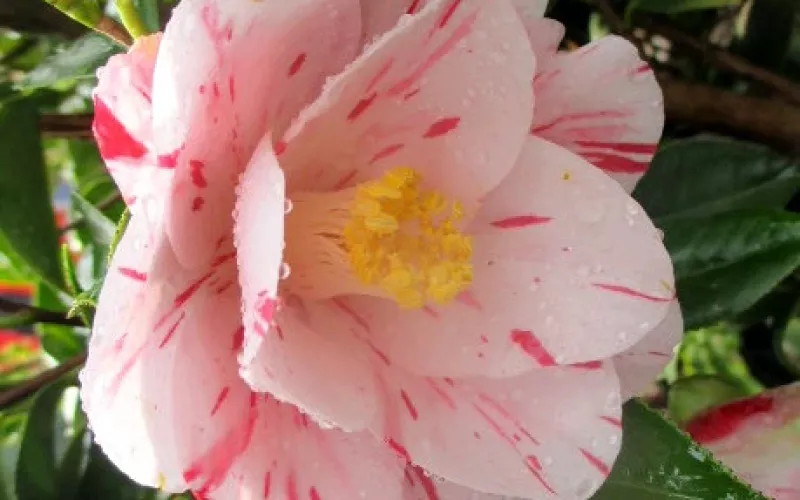
Haru-no-utena
La variété 'Haru-no-utena' s'écrit 「春の台」en japonais. Le premier idéogramme, haru (春), désigne le printemps, Le second idéogramme, ute…

Hatsukoi
La variété 'Hatsukoi' s'écrit 「初恋」en japonais et signifie un tout premier amour. Le nom de variété 'Hatsukoi' a été attribué à un Hydra…

Hatsushimo
La variété 'Hatsushimo' s'écrit 「初霜」en japonais et désigne le premier gel de l'automne, ou au début de l'hiver. Le nom de variété 'Hats…

Hi-no-mai
La variété 'Hi-no-mai' s'écrit 「緋の舞」en japonais. Le premier idéogramme, hi (緋) signifie "rouge écarlate". C'est la couleur obtenue pa…

Hida-hanabi
La variété 'Hida-hanabi' s'écrit 「飛騨花火」en japonais. Les deux premiers idéogrammes, formant le mot hida (飛騨), désignent l'ancien nom…

Higasa-yama
La variété 'Higasa-yama' s'écrit 「日笠山」en japonais. Les deux premiers idéogrammes, formant le mot higasa (日笠), désignent un chapeau (…